For decades, the global development narrative has operated under a flawed assumption: that Africa is poor in resources and perpetually dependent on foreign benevolence. Yet, recent geopolitics has shattered this illusion.
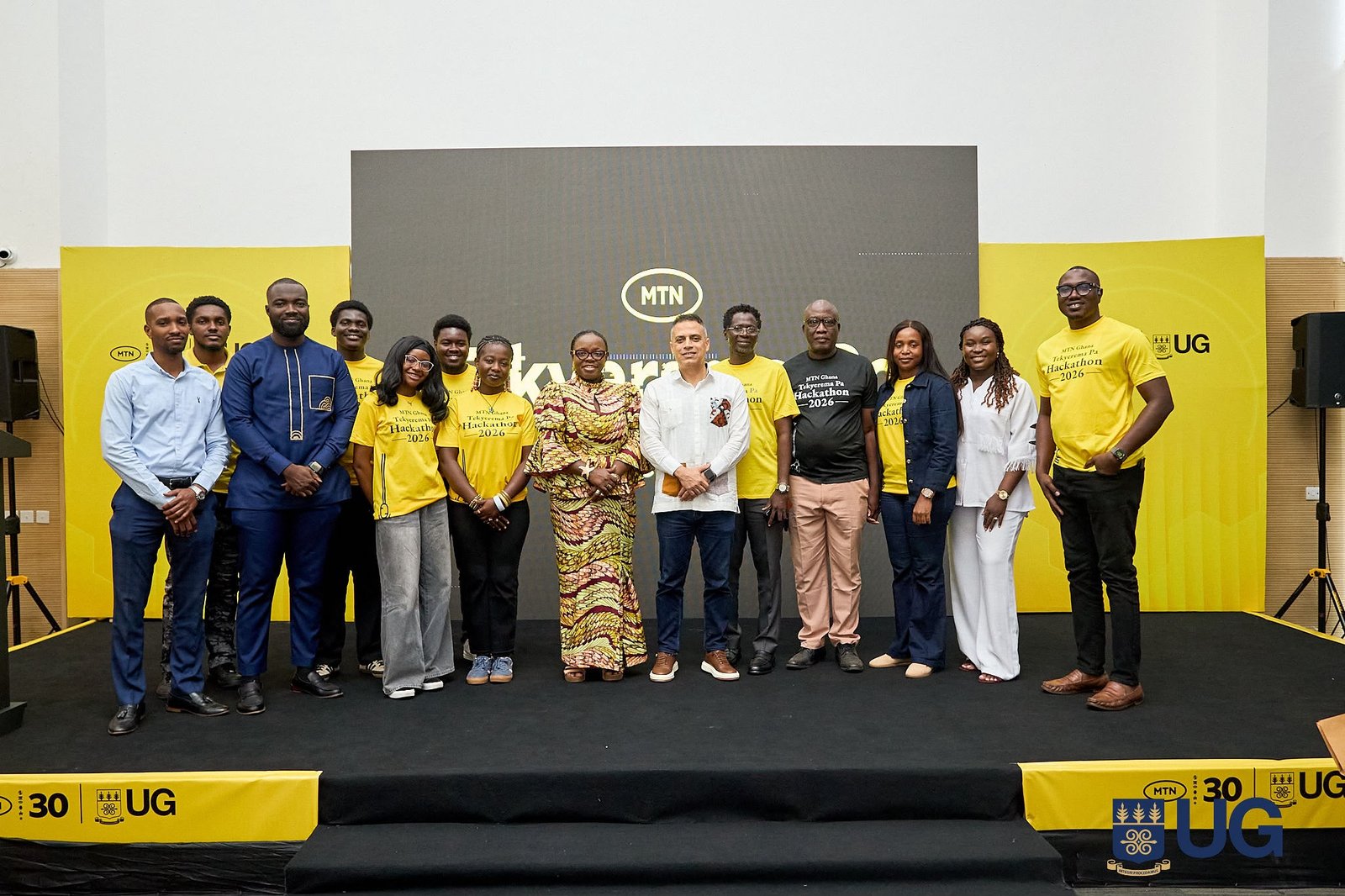
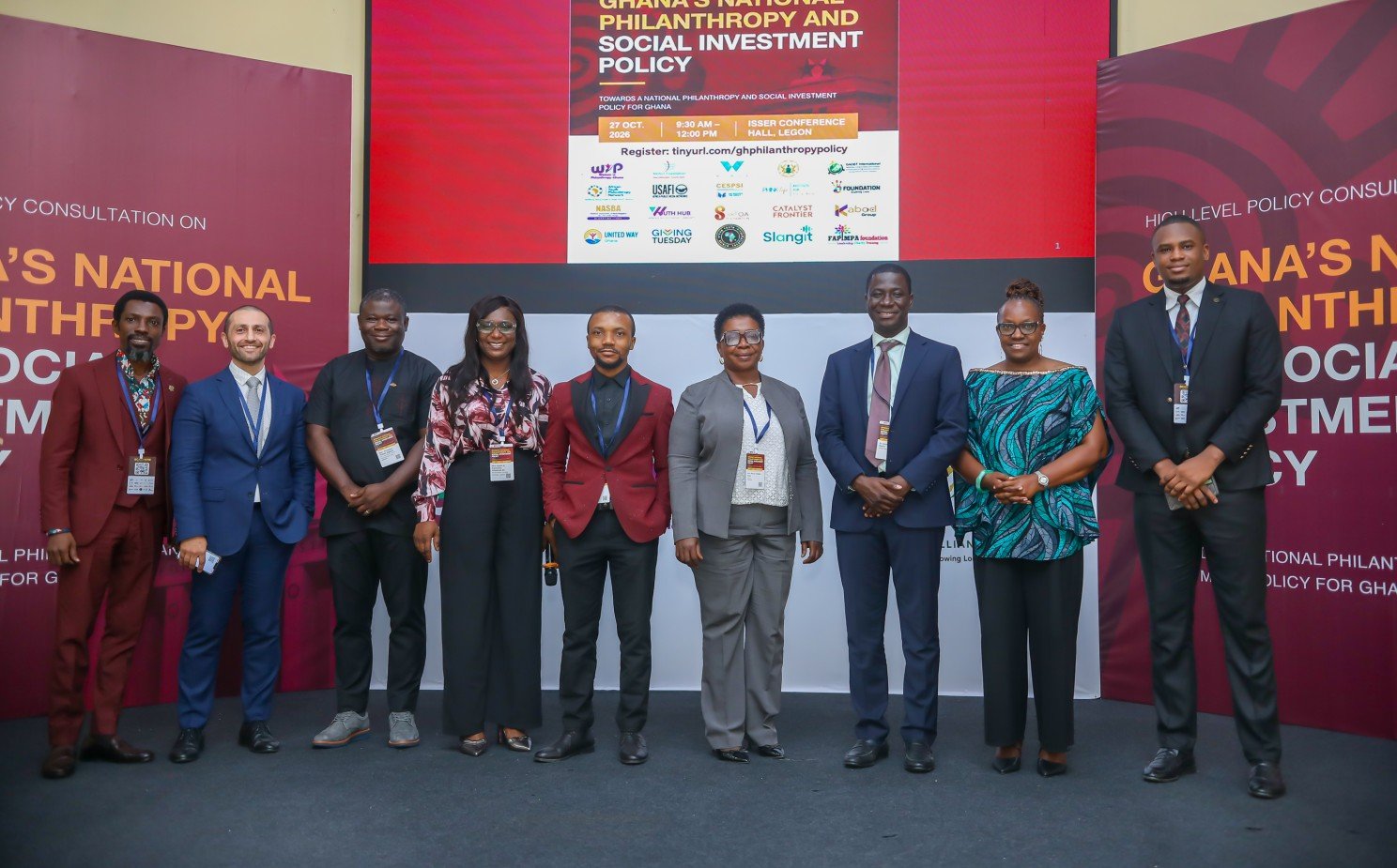
As a co-convener of the recent high-level consultation toward the development of Ghana’s National Philanthropy and Social Investment Policy, alongside partners from the Ubuntu Giving Alliance, Kabod Group, STAR-Ghana Foundation, the West Africa Civil Society Institute (WACSI), and national policy working groups, I witnessed firsthand the immense potential of anchoring local giving within a national legal framework.
During the consultation, featured experts such as Professor Godfred Bokpin from the University of Ghana and Jacqueline Asiimwe, CEO of CivSource Africa, laid bare compelling evidence on domestic resource mobilization (DRM).
Below are 7 transformative facts from that policy dialogue.
1. Ghana Ranks as the 2nd Most Generous Country in the World
Generosity in Ghana is driven by deep-rooted faith and cultural values rather than an abundance of personal wealth.
Citing the World Giving Report by the Charities Aid Foundation (CAF), Prof. Godfred Bokpin highlighted that Ghana ranks 2nd globally in generosity (behind Nigeria). On average, Ghanaians donate 2.4% of their personal income to individuals in need, charities, and religious causes. This significantly exceeds both the global average of 1.0% and the regional African average of 1.6%.
If everyday citizens are already committing 2.4% of their hard-earned income to social solidarity without any state tax deduction or formal recognition, why do our civil society organizations continue looking across the ocean for survival rather than building trusted bridges to our own people?
2. High-Net-Worth Individuals Could Unlock $300 Million Annually
Creating structured tax incentives for local wealth holders could generate more capital for national development than major international loans.
In 2024, Ghana had 2,696 High-Net-Worth Individuals (HNWIs) (up from 2,675 in 2023). If a national philanthropy framework allows these HNWIs to channel 2.4% of their wealth/income into accredited social investments in exchange for formal tax reliefs, Ghana could mobilize at least $300 million annually.
For context, Prof. Bokpin noted that this single domestic funding stream is greater than the recent World Bank loan facility requested to support the financing of Free Senior High School (Free SHS).
What does it reveal about our national development mindset when we eagerly accept international debt with complex conditionalities, while leaving hundreds of millions in local wealth untapped simply because we lack a clear tax incentive framework?
3. Flight of African Billionaires & The Need for Safe Giving Channels
Restrictive tax regimes, economic instability, and safety concerns currently force wealthy Africans to move their assets off the continent.
Across Africa, there are 54 African-born billionaires, but only 21 still reside on the continent. The remaining 33 have relocated elsewhere due to policy, tax, and security environments.
Most of the wealthy African entrepreneurs channel major philanthropic gifts through offshore family foundations in Europe or North America, where tax and legal systems offer protection, structure, and legacy preservation, rather than investing directly in continental development vehicles.
A national philanthropy policy creates an anchored legal framework that allows native and diaspora billionaires to direct capital back into local African development securely.
Are our national tax laws and regulatory frameworks unintentionally policing African capital away from home, and how quickly could we transform local development if our policies made giving back in Africa safer and more advantageous than holding assets abroad?
4. Faith-Based Giving Built Ghana’s Healthcare and Education Bedrock
Institutional giving in Ghana long predates the modern state, with religious bodies acting as the primary pioneer of social infrastructure.
Grounded in Christian tithing/offerings and Islamic Zakat, historical contributions from orthodox religious bodies (Presbyterian, Methodist, Catholic, Islamic missions, etc.) since the 19th and 20th centuries total billions of dollars.
In 2020, I contributed to a study that explored how faith-based giving constituted an alternative funding model for local CSOs. And it’s a known fact that these contributions built the foundational network of pre-tertiary schools, tertiary institutions, and mission hospitals across Ghana long before formal government social budgets existed.
The Christian Health Association of Ghana (CHAG), comprising 25 Christian denominations, operates 302 health facilities and institutions. Similarly, institutions like Central Aid (established by the International Central Gospel Church) generate 100% of their funding internally to sponsor secondary and tertiary education for over 400 brilliant but needy students each year.
If faith communities successfully built the bedrock of our continent’s health and educational systems without a single dollar of foreign aid, why do modern non-profits treat religious institutions as mere fundraising targets rather than co-architects of sustainable development?
5. Bridging the Tax Gap (14 Million Labor Force vs. 2.88 Million Taxpayers)
A national policy on social investment can act as a non-punitive bridge to formalize the informal economy. Data from the Ghana Revenue Authority shows that out of an estimated national labor force of 14 million people, only 2.88 million pay formal PAYE income taxes.
Over the past 20 years, approximately 500,000 young people have entered the labor market annually, but because formal employment has flattened, the vast majority are absorbed into the informal economy.
Offering tax reliefs on philanthropic giving incentivizes informal earners to register and report contributions, gradually drawing them into the formal tax net. A philanthropy policy integrated into the tax system can therefore act as a catalyst to broaden Ghana’s narrow formal tax base.
If the traditional enforcement ‘hammer’ has failed to broaden our national tax base, could a strategic philanthropy policy serve as the magnet that aligns millions of informal workers with civic and fiscal governance?
6. Extended Family Networks Act as Ghana’s “Informal Insurance”
Deeply ingrained cultural systems of mutual solidarity function as a natural safety net, shaping how citizens interact with formal financial markets. Ghanaians heavily rely on extended family structures, funeral contribution funds, mutual aid societies, and women-led Susu savings or Village Savings and Loans Associations (VSLAs).
These large family structures and strong community ties functions as a reliable informal insurance scheme, explaining why commercial insurance uptake remains relatively low across the country. As Professor Bokpin humorously noted, “In Ghana, we are like Liverpool—we never walk alone.”
Rather than attempting to displace our indigenous solidarity mechanisms with imported financial models, how can civil society build formal legal and digital tools that protect, scale, and dignify these organic social safety nets?
7. Regional Peer Models: Uganda’s Youth Volunteer Policy & “Ukarimo” Center
Intra-African peer learning highlights how non-monetary giving, such as time, labor, and knowledge, can be policy-enabled and institutionalized.
Jacqueline Asiimwe (CEO of CivSource Africa, Uganda) shared that Ugandan youth are actively driving a national Youth Volunteer Policy to ensure volunteer labor is officially quantified as tangible economic giving. In partnership with Makerere University, CivSource Africa established “Ukarimo” (Swahili for Generosity), a dedicated academic center for philanthropy research.
They also published a 5-volume repository titled Omutima Omugabi (“The Heart That Gives”), documenting hundreds of local community giving stories during the COVID-19 pandemic to prove that Africans never stopped rescuing themselves.
When we fail to measure, document, and policy-enable our youth volunteerism and community solidarity, are we neglecting the single largest asset class for Africa’s self-determination?
From Grant Seekers to Wealth Creators
The message from the Ghana National Philanthropy Policy consultation is unequivocal: Shifting minds is the ultimate prerequisite to shifting power.
As long as African non-profit leaders view themselves merely as administrators of foreign grants, our civil society will remain vulnerable to geopolitical shifts and donor fatigue.
Initiatives like the Nonprofit School of Wealth and Ubuntu Giving Alliance are dedicated to training non-profit executives to build financial sovereignty, combining local high-net-worth engagement, social enterprise design, fiscal sponsorship, and policy advocacy under the African Continental Free Trade Area (AfCFTA).
I strongly belive it’s high time to build civil society institutions that own their knowledge, control their narratives, and mobilize their own resources.
What is your most striking highlight from Ghana National Philanthropy Policy consultation? How is your organization preparing for a future beyond traditional aid?
Let me know in the comments below!