
ALCA was born in August 2023. In the first few months, we set the administrative, operational, financial and legal foundations that are required for such institutions. Our passion and drive led us to organize our first annual conference just one year after registering. It was fully online from August 28-29, 2024, attracting 147 participants.
In 2025, we took the bold move to hold the conference in-person, in Cape Town. And we did it, gathering over 50 delegates from Africa, Europe and America. Lessons learned from that 2nd edition were documented and shared by Johan Botha, our co-founder who hosted the conference.
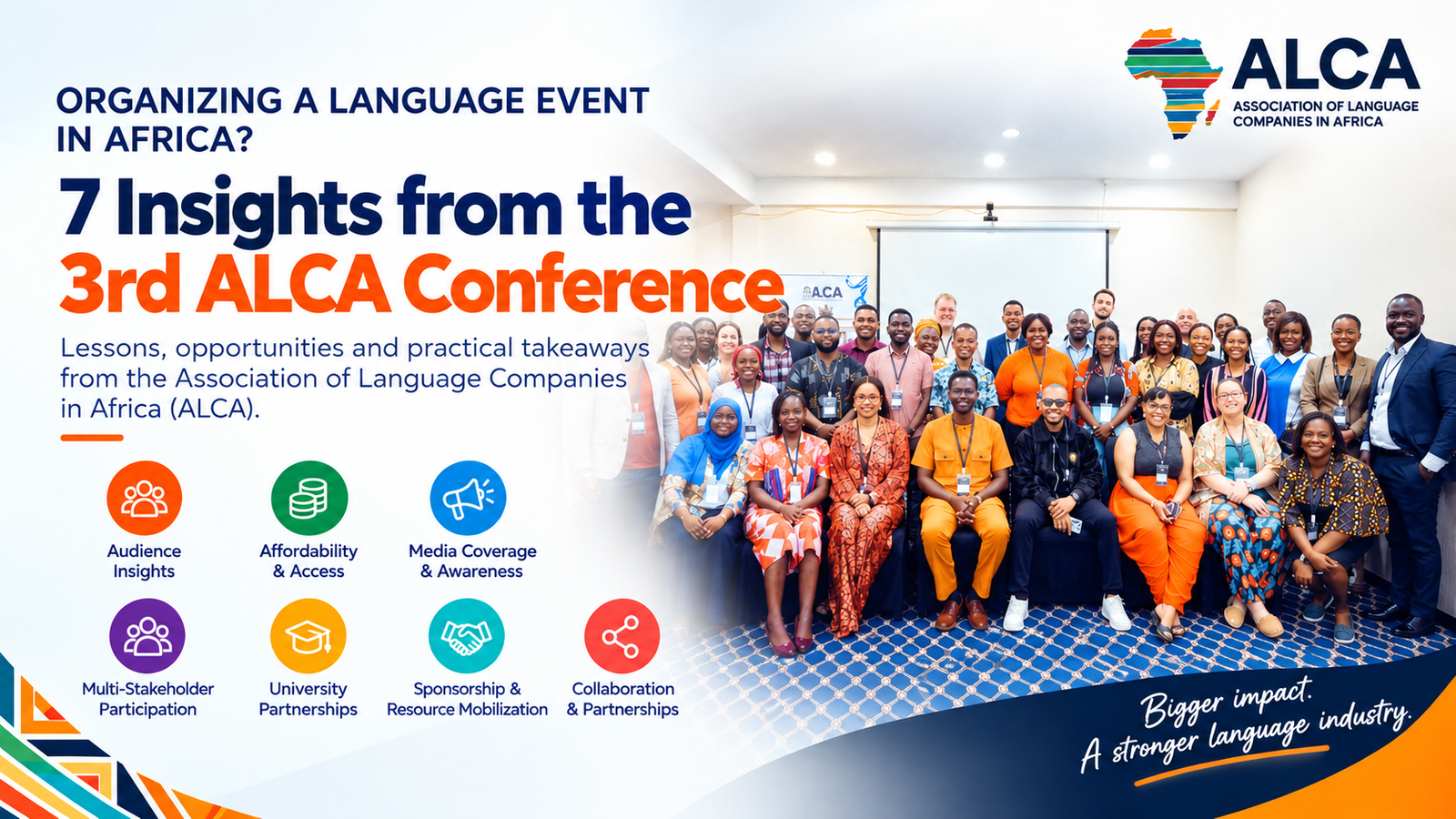
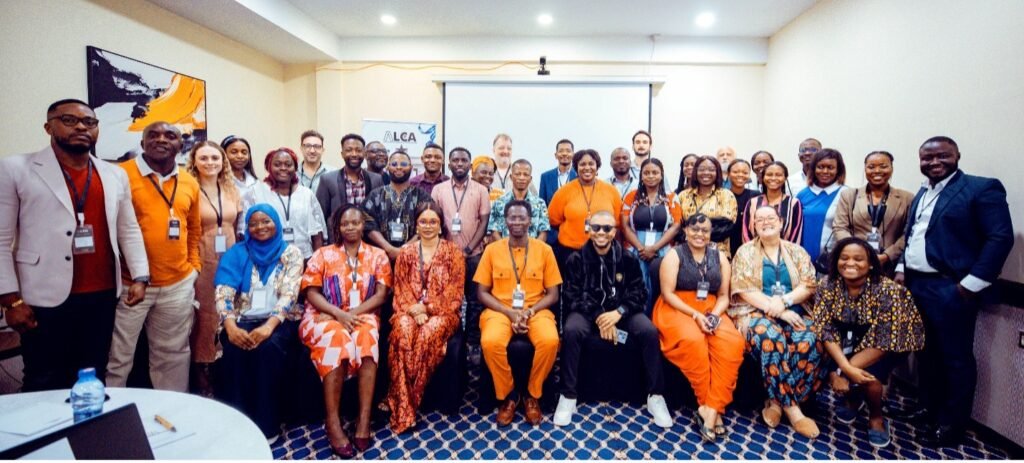
And this year, we just concluded the 3rd edition, gathering about 45 delegates. And here are 7 insights learned in the process.
1. We had more freelancers than companies from Africa.
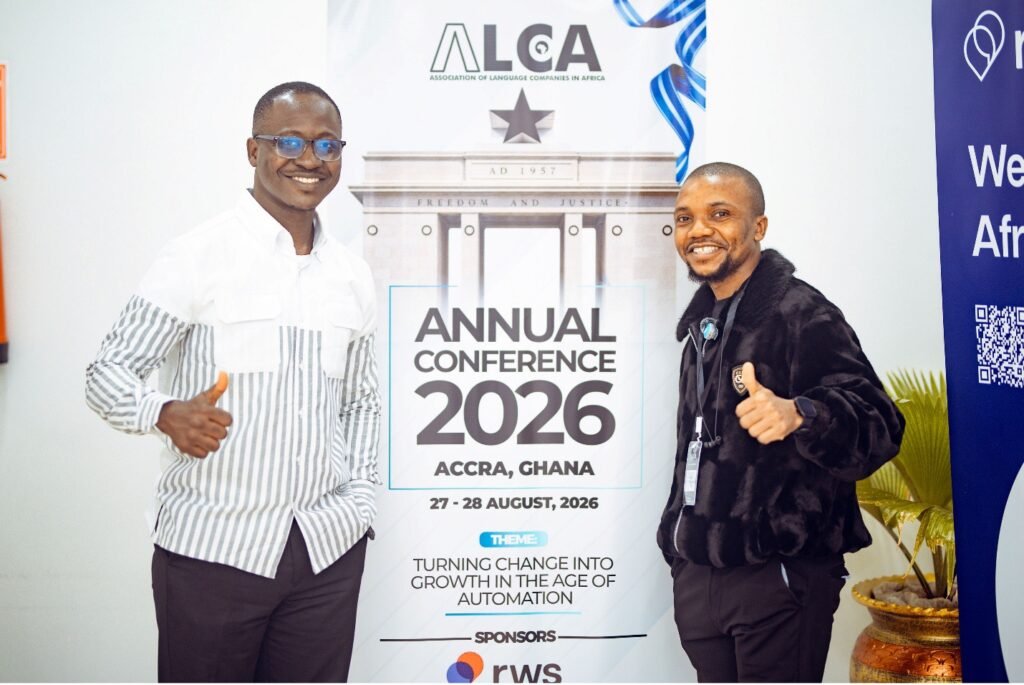
Though the conference primarily targeted language companies, it was highly attended by freelancers. Our 2026 industry research attests that freelancers, sole proprietors and very small businesses are currently the major players in the African language-services ecosystem.
2. Make it affordable as much as possible.
We chose to host the conference in a premium hotel in Accra and same for the 2nd edition. But such option makes price tickets high. Though very interested, some expressed challenges to pay the required 200$ to access the event. This shows that affordability matters a lot in our industry. We would therefore explore ways to make the 4th edition more affordable for all.
3. Plan quality budget for robust media coverage

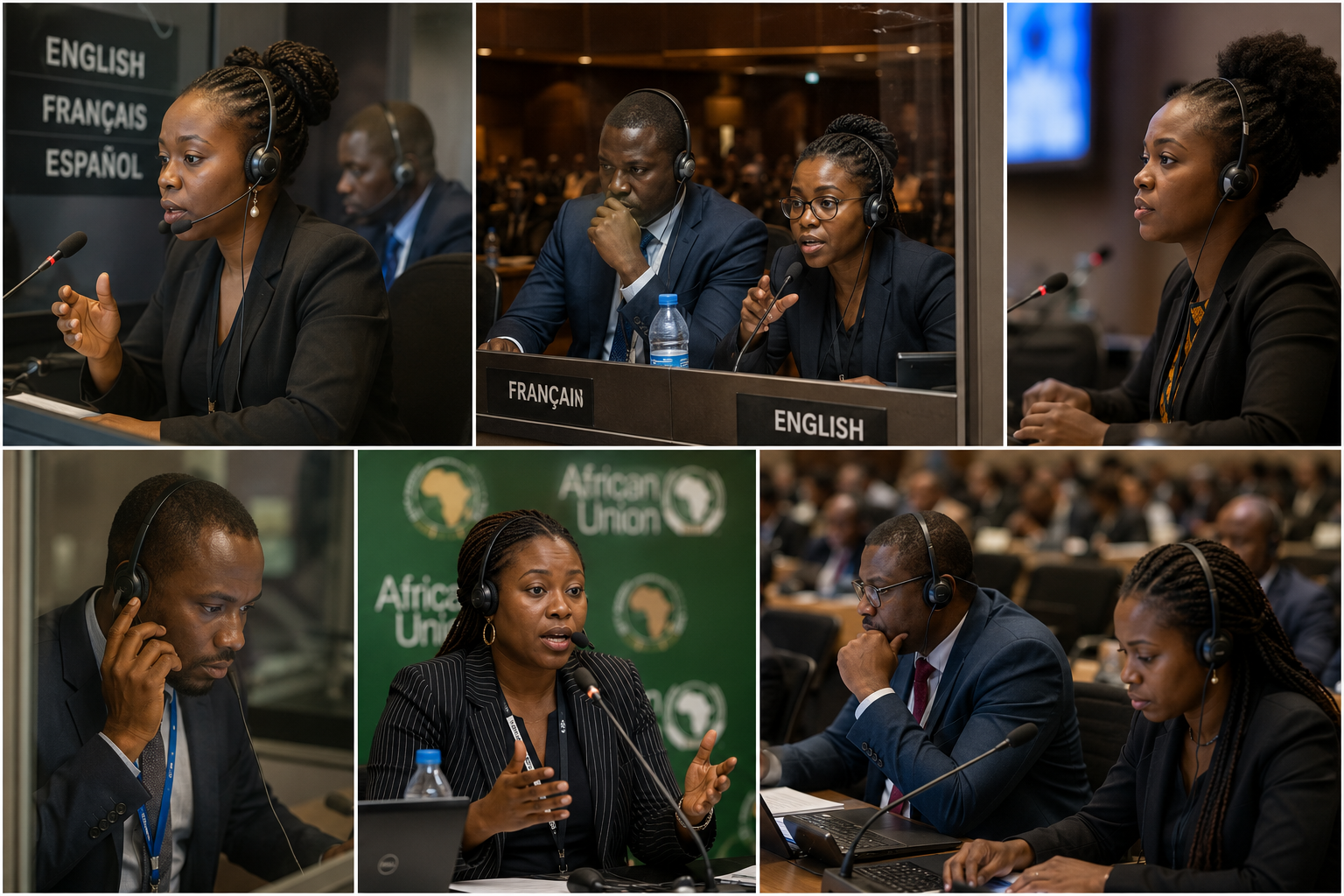
In Africa, the language service industry is not properly understood, recognized and honored as it ought to. Many assume being fluent in a language is enough to act as a translator or interpreter. Events such as conferences, whether local or international, are therefore a unique opportunity to increase awareness of the role and contribution of our industry to national and international development agenda.
This can’t happen if the event is only known in industry circles. We must therefore intentionally communicate and spread the message as far and wide as possible. Unless language buyers are properly educated on the language business and sensitized on the real work that goes into translation/interpretation, they would hardly change behavior.
We interviewed many of the delegates to document their experiences and produce more insiders and practitioners’ perspectives on the language business in Africa. Stay tuned for them.
4. Intentionally invite language buyers, academia and policymakers
The conference was mainly a gathering of language service providers (LSP). Yet most of the issues discussed on AI, automation, language technology etc., require systematic and multi-stakeholders’ interventions to be addressed effectively.
So, make sure to have relevant representatives from the public, private and development sector at the table. How would we increase awareness and understanding of our industry if we continue having conversations among ourselves?
5. Proactively partner with language department of local universities.
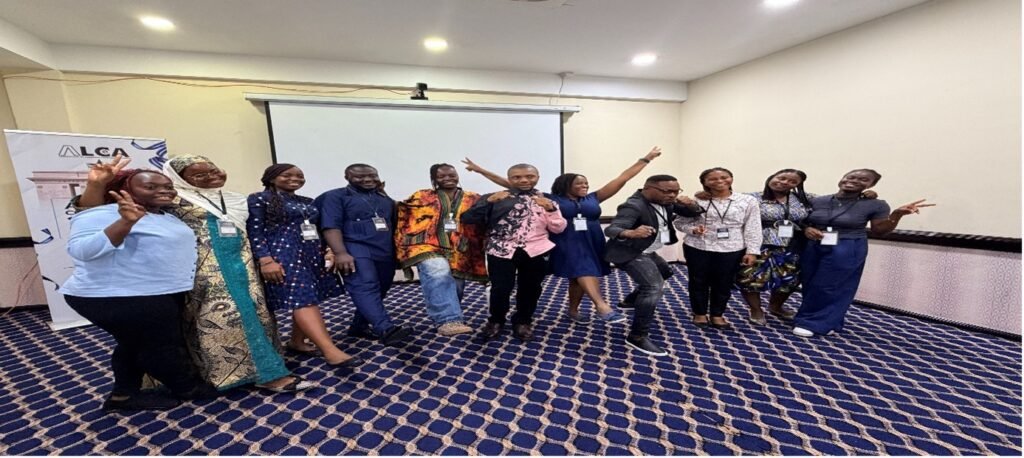
If you are organizing the conference on a low budget, partnering with a local university can unlock access to volunteers to support with communication, project management, report writing, registration and participants management etc.
You may tell me: “Oh Christian, isn’t this risky since most may not be trained practitioners for high level conference?”. In our case, they were very resourceful and all went an extra mile. Getting professional language professionals to volunteer for 2 days might be hard, as some may be unwilling to commit, fearing to miss a conference interpretation or gig on those days.
6. Start the sponsorship and resource mobilization drive at least one year in advance.
Organizing an international conference is costly. Starting early will therefore enable you to address any question or concern your potential partners and sponsors may have. Our conference was gracefully sponsored by RWS, Translated, Bolingo Consult and MultiLingual. As you can see, all are in the language industry. And we look forward to onboarding a more diverse scope of sponsors and partners from academia, business, government and humanitarian sector.
7. Prioritize collaboration holistically.

We are always stronger together. Collaborating with the Ghana Association of Translators and Interpreters (GATI) was instrumental in mobilizing the local community of practitioners. We look forward to mobilizing more delegates by collaborating with industry associations in Nigeria, South Africa, Zambia, Cameroon etc.
In summary, local partnerships with volunteers and students worked, university involvement was valuable, broader stakeholder participation is needed, sponsorship should begin earlier, registration behavior can be unpredictable, and collaboration with local associations made a real difference. I hope these lessons and insights are helpful in helping you plan and organize your next event, on a continent where the industry is growing with many rooms for learning and innovation.

At ALCA, we were happy to know all delegates had a beautiful and memorable experience, and we look forward to organizing the fourth edition, which will surely be bigger and better as we are getting wiser on the journey.
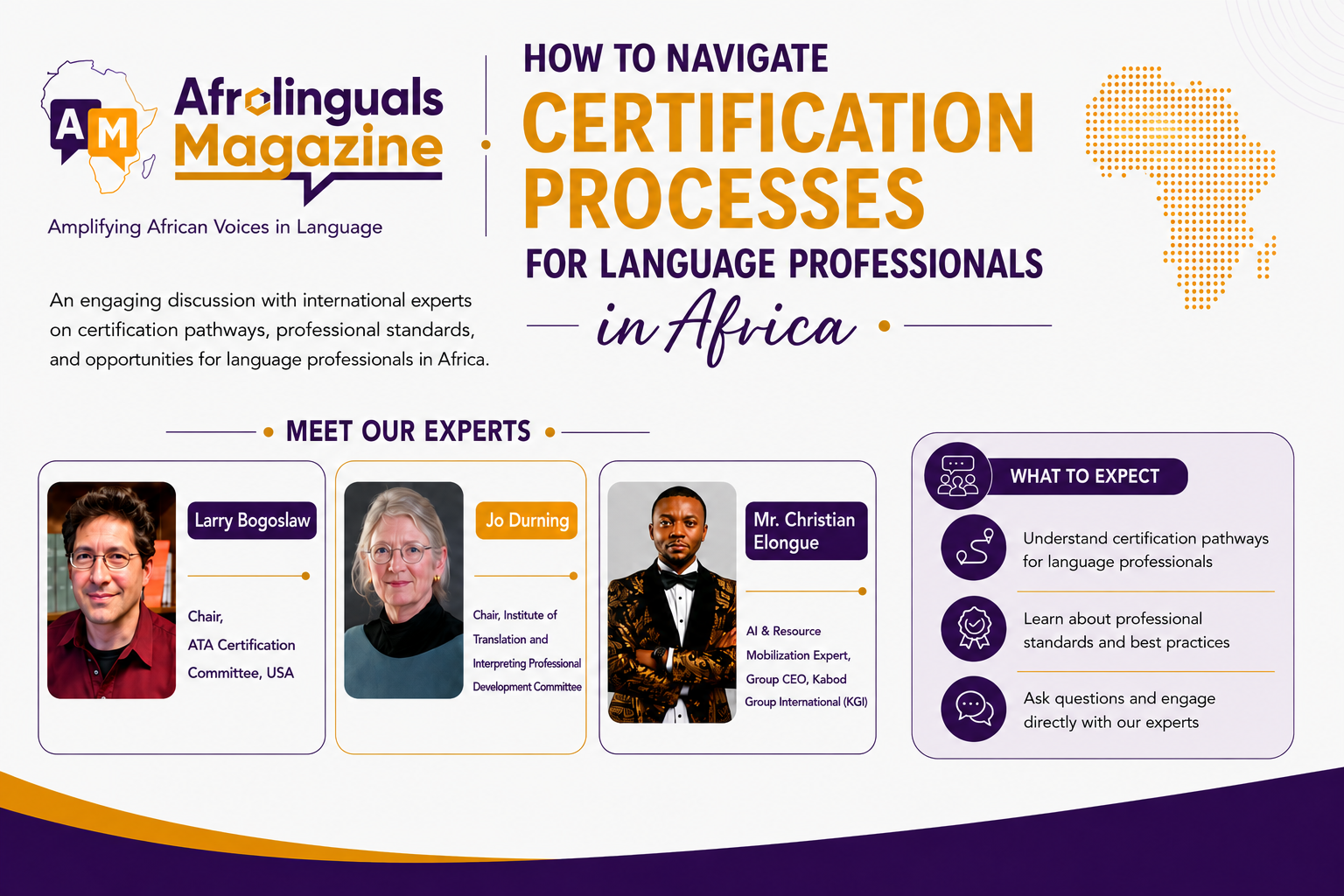
If you’re interested in becoming a member of ALCA, kindly comment. If you were at the conference and would also like to share your experience, to be featured on ALCA or Afrolinguals, the knowledge exchange platform for language professionals, feel free to reach out at languages@kabodgroup.com
We are actively working with diverse stakeholders to foster economic and professional growth in the language service industry. Reach out if you are willing to contribute.